10/6 Meeting agenda:
As girls arrive, we’ll have women in STEM coloring sheets.
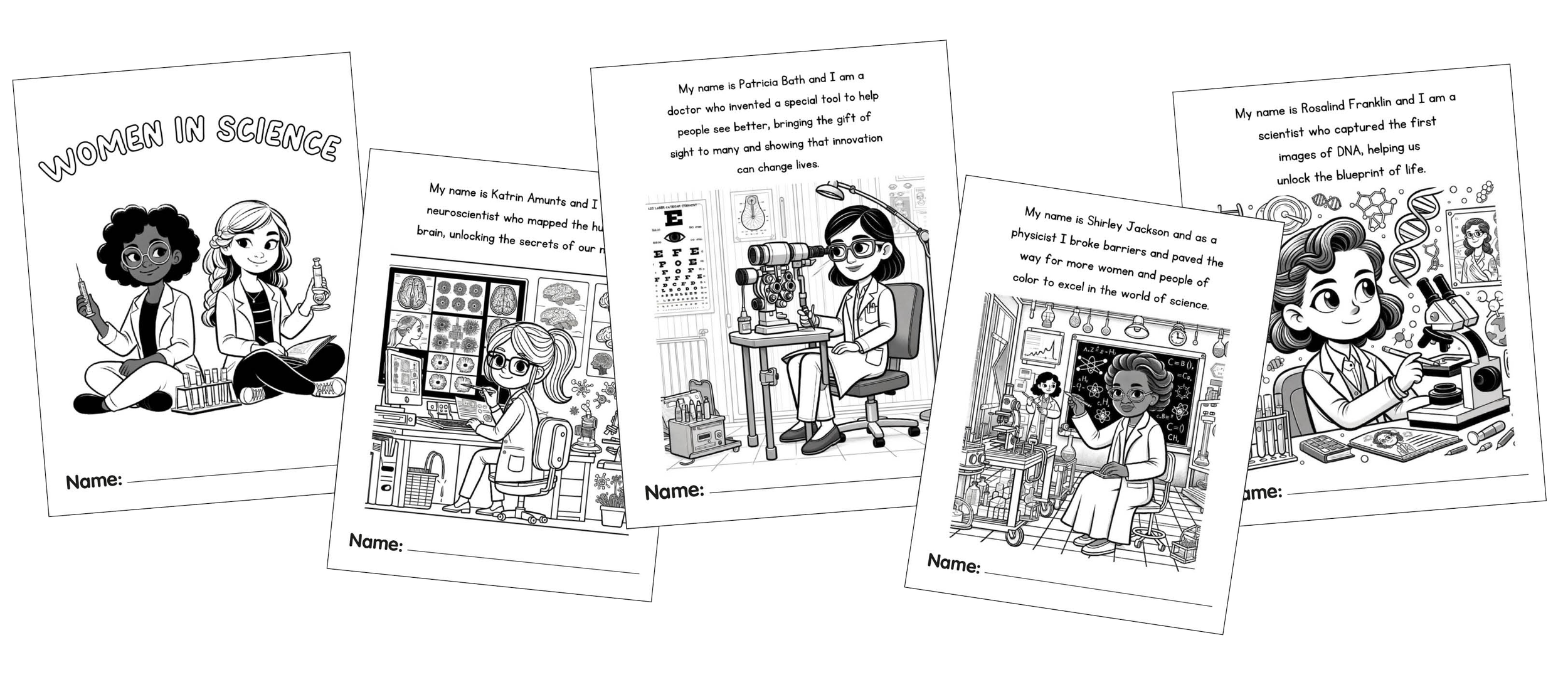
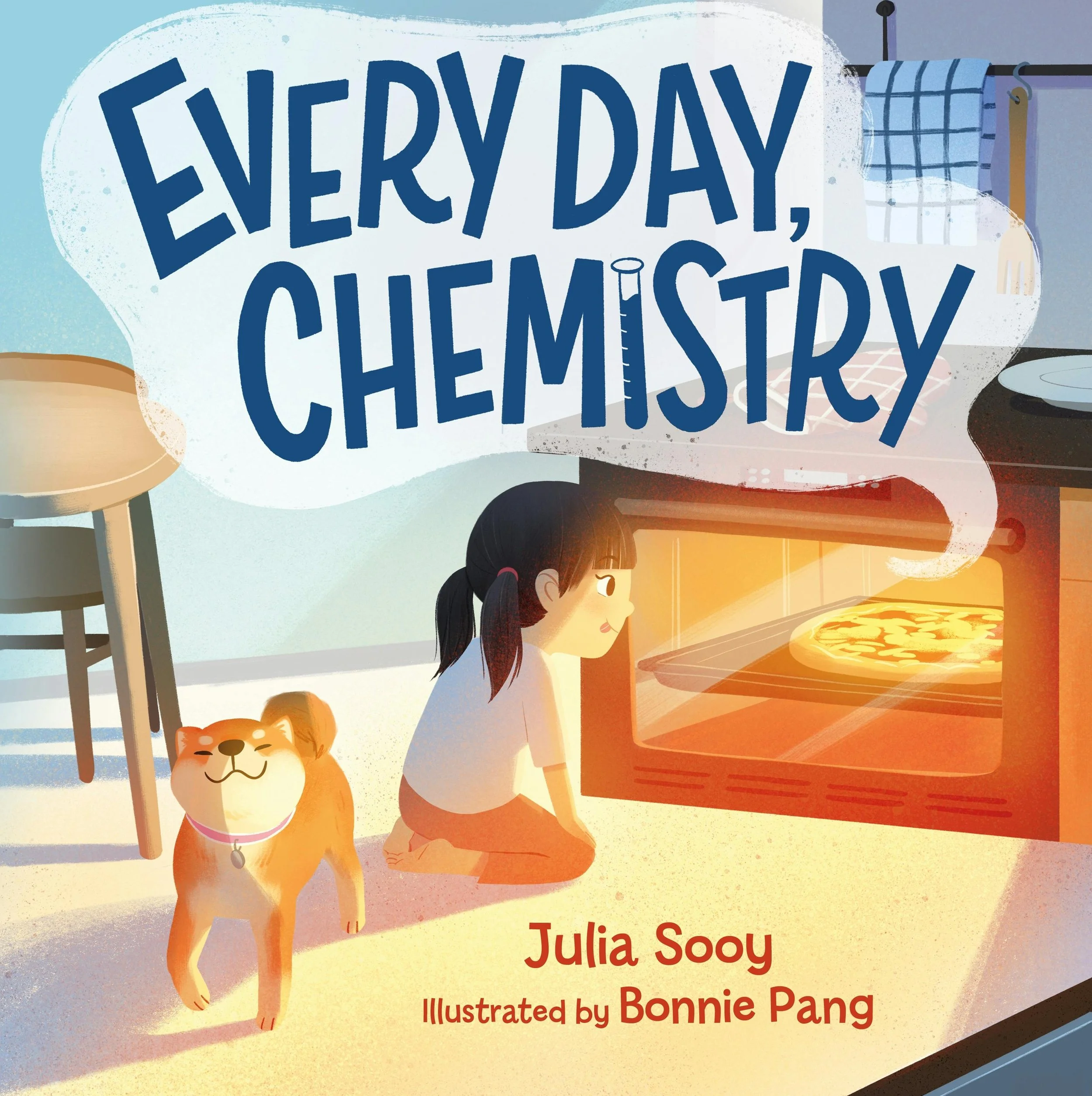
Once girls all arrive we’ll stand to do the pledge of Allegiance and girl scout promise, then introduce special guest author Julia Sooy. Julia will read her book, Everyday Chemistry.
To earn the Home Scientist badge, the girls need to complete three steps: create static electricity, dive into density, and make something bubble up. We will divide the girls into 3 groups. The groups will rotate in between 3 tables for ten minutes each.
Group 1: Static Electricity
Make pepper dance. See what happens when electric charges jump back and forth.
Instructions:
We will pour some salt and pepper on paper plates. We’ll give each girl a blown up balloon, and have them rub it on their hair. Then, they will hold it over the salt and pepper and watch it dance!
What happens?
After you rub the balloon on your hair, it gets a negative charge. When you bring it close to the salt and pepper, the charge attracts the pepper first because it’s lighter than the salt. The pepper is attracted to the balloon, where it gets a negative charge, then it bounces back down to the paper.
Extra fun:
Use the same idea to make tissue paper figures dance!
Group 2: Dive into Density
Dancing Raisins. Can you make raisins move without touching them?
Instructions:
We will pour some 7-up in a tall glass. Then, drop 6 or 7 raisins into the soda and watch what happens.
What happens?
At first the raisins will sink. They are denser than the soda. But then, the bubbles from the soda will fill the wrinkles in the raisins, lifting them up. Then the bubbles reach the top and they pop, the raisins sink again.
Extra Fun: If there is time, we’ll try the floating an egg in salt water trick
Group 3: Bubble Up
Blow up a balloon without using your breath. Gases like carbon dioxide will try to find a place to go when they expand. When you mix certain materials, like vinegar and baking soda, you make a gas that will expand. (This might work better as partners)
Instructions:
We will have balloons filled with 1 tsp of baking soda. Each girl will take the balloon and with our help, attach it to the neck of a plastic bottle with 2tb of vinegar. We’ll instruct them to try to dump the baking soda down into the vinegar and watch what happens.
What happens?
The baking soda and vinegar create carbon dioxide when they mix. There is not enough room inside the bottle for the extra gas, so it will enter the balloon.
We’ll end the meeting by cleaning up, handing out badges, and the friendship circle. The girls have earned their Home Scientist badge!